

 https://charityoneinsurance.com/wp-content/uploads/2023/04/imgpsh_fullsize_anim-4-scaled.jpg
2110
2560
Claudine Ford
https://charityoneinsurance.com/wp-content/uploads/2023/04/logo-2.png
Claudine Ford2023-04-28 11:01:312023-04-28 11:55:22Risks Faced by Nonprofit Organizations & How a Nonprofit Insurance Can Help?
https://charityoneinsurance.com/wp-content/uploads/2023/04/imgpsh_fullsize_anim-4-scaled.jpg
2110
2560
Claudine Ford
https://charityoneinsurance.com/wp-content/uploads/2023/04/logo-2.png
Claudine Ford2023-04-28 11:01:312023-04-28 11:55:22Risks Faced by Nonprofit Organizations & How a Nonprofit Insurance Can Help?What Is General Liability Insurance?
General liability insurance is an essential type of coverage that protects against legal and financial liabilities that may arise from accidents or incidents during a nonprofit organization’s operations.
This coverage is designed to safeguard nonprofits from third-party bodily injury, property damage, and personal injury claims, which can be costly and damaging to their reputation in the community. As a nonprofit organization, it’s essential to focus on your mission and goals without worrying about the unexpected.
That’s why having general liability insurance in place is crucial. This type of coverage provides reassurance and safeguards your organization against potential risks. It’s a substantial investment that allows you to continue doing the meaningful work you set out to do.
How Does General Liability Insurance Work for Nonprofits?
To help you understand how general liability insurance works for nonprofits, below is a clear step-by-step breakdown:
1. Purchasing a Policy
A nonprofit organization typically purchases a general liability insurance policy from an insurance provider. The policy will outline the terms of coverage, including the maximum amount the insurer will pay in the event of a covered claim.
2. Covered Claims
If someone is injured or their property is damaged due to the nonprofit’s operations, they may file a claim against the organization. If the claim is covered under the nonprofit’s general liability insurance policy, the insurance provider will typically pay for the damages up to the policy’s limit.
3. Legal Defense
Besides paying for damages, a general liability insurance policy for nonprofits may also cover legal defense costs if the organization is sued. It can include attorney fees, court costs, and other related expenses.
4. Exclusions
It’s important to note that not all claims will be covered under a nonprofit’s general liability insurance policy. For example, intentional acts or criminal behavior will be excluded from coverage. Additionally, certain activities, such as those related to aviation or professional services, will require additional or specialized insurance coverage.
5. Premiums
Nonprofits typically pay premiums for general liability insurance regularly, such as monthly or annually. The premium cost will depend on several factors, including the size and scope of the organization’s operations, the level of risk involved, and the coverage limits desired.
Why Is General Liability Insurance Important for Nonprofits?
Nonprofits should have general liability insurance for various reasons. Here’s a comprehensive explanation:
1. Protection from Legal Claims
Nonprofits, like any other organization, can be sued for various reasons, such as personal injury or property damage. General liability insurance protects nonprofits from financial losses associated with these types of legal claims by covering the costs of legal defense and any settlement or judgment awarded to the plaintiff.
2. Reputation Protection
Being sued can damage a nonprofit’s reputation and undermine public trust. By having general liability insurance, a nonprofit can demonstrate to stakeholders, donors, and the general public that it takes its legal and financial obligations seriously and is prepared to handle any unexpected situations that may arise.
3. Compliance with Legal Requirements
Some states and local jurisdictions may require nonprofits to carry general liability insurance as a condition of their business license or other legal permits. Nonprofits without the necessary insurance could face fines, penalties, or legal liabilities.
4. Mitigation of Financial Risk
General liability insurance can help mitigate financial risk for nonprofits by covering the costs associated with legal claims. Without insurance, a nonprofit could be liable for substantial costs, including legal fees, settlements, and judgments, which could impact the organization’s financial stability and ability to carry out its mission.
5. Protection for Volunteers
Many nonprofits rely on volunteers to carry out their work. General liability insurance can provide security for volunteers who are injured or cause injury or property damage while performing tasks related to the nonprofit’s operations.
What Is Covered Under General Liability Insurance for Nonprofits?
General liability insurance for nonprofits typically covers a range of incidents and situations. Here’s a detailed breakdown of what is covered:
1. Bodily Injury
This includes claims related to injuries due to the nonprofit’s operations, such as slip and fall accidents and other similar incidents. For example, if a visitor to a nonprofit’s premises trips and falls, sustaining injuries, the nonprofit’s general liability insurance would typically cover the resulting medical expenses.
2. Property Damage
This includes claims related to damage caused to another person’s property due to the nonprofit’s operations. For example, if a nonprofit employee accidentally damages a neighbor’s fence while working on the nonprofit’s property, the general liability insurance typically covers repairing the fence.
3. Personal and Advertising Injury
This includes claims related to non-physical harm, such as libel or slander, infringement of intellectual property rights, or wrongful eviction. For example, if a nonprofit’s employee makes a false statement about a competitor that harms the competitor’s reputation, the nonprofit’s general liability insurance would typically cover the resulting legal fees and damages.
4. Medical Payments
This includes coverage for medical expenses incurred by third parties due to injuries that occur on the nonprofit’s property or during the nonprofit’s operations. Medical payment coverage is typically limited in scope and designed to provide prompt compensation for minor injuries without a lawsuit.
5. Legal Defense Costs
Besides covering damages awarded to plaintiffs, general liability insurance for nonprofits typically covers legal defense costs associated with covered claims. It includes attorney fees, court costs, and other related expenses.
It’s important to note that not all claims are covered under general liability insurance for nonprofits. Some claims, such as those related to intentional acts or criminal behavior, may be excluded from coverage.
Additionally, certain activities, such as those related to aviation or professional services, may require additional or specialized insurance coverage.
What Are the Benefits of General Liability Insurance for Nonprofits?
Nonprofits can enjoy various advantages from having general liability insurance. Below is a comprehensive explanation of these benefits.
1. Protection from Financial Losses
One of the primary benefits of general liability insurance is that it protects nonprofits from financial losses associated with legal claims. Without insurance, a nonprofit could be liable for substantial costs, including legal fees, settlements, and judgments, which could impact the organization’s financial stability and ability to carry out its mission.
2. Risk Mitigation
General liability insurance can help mitigate risk for nonprofits by protecting against unexpected incidents and accidents. It includes incidents like slip and fall accidents, property damage, and personal injury claims. By having insurance in place, nonprofits can operate with greater confidence, knowing they have protection against a range of potential risks.
3. Compliance with Legal Requirements
Some states and local jurisdictions may require nonprofits to carry general liability insurance as a condition of their business license or other legal permits. Nonprofits without the necessary insurance could face fines, penalties, or legal liabilities. By carrying general liability insurance, nonprofits can ensure compliance with legal requirements and avoid potential legal problems.
4. Enhanced Credibility
General liability insurance can enhance a nonprofit’s credibility by demonstrating to stakeholders, donors, and the general public that the organization is committed to operating responsibly and ethically. By having insurance, nonprofits can show they are prepared to handle unexpected situations and protect themselves from potential risks.
5. Protection for Volunteers
Many nonprofits rely on volunteers to carry out their work. General liability insurance can provide security for volunteers who are injured or cause injury or property damage while performing tasks related to the nonprofit’s operations. It can help attract and retain volunteers by providing them with greater peace of mind and reducing the risk of potential legal issues.
6. Flexibility and Customization
General liability insurance policies for nonprofits are often flexible and customizable, allowing organizations to tailor coverage to their specific needs and risks. Nonprofits can choose coverage limits, deductibles, and other policy features that best fit their budget and risk profile.
7. Improved Relationships with Partners and Clients
Some partners, vendors, or clients may require nonprofits to carry general liability insurance before entering into a contract or partnership. Insurance can help nonprofits establish and maintain positive relationships with these stakeholders, opening up new opportunities for collaboration and growth.
Which Nonprofits Need General Liability Insurance?
All nonprofits should consider getting general liability insurance. However, some nonprofits that may have a higher risk of these types of claims could include:
- Health and human services organizations (such as hospitals and nursing homes)
- Counseling and rehabilitation facilities
- Education institutions (such as schools and colleges)
- Youth development organizations (such as Boys and Girls Clubs/YMCAs)
- Disability services organizations
- Daycare facilities (including in-home daycare)
- Social advocacy and civil rights organizations
Charity One Insurance provides nonprofit insurance services to various nonprofits and social service organizations. If you are looking for general liability insurance for your nonprofit or social service organization, contact us now.
What Is the Cost of General Liability Insurance for Nonprofits?
The cost of general liability insurance for nonprofits varies depending on several factors, including the organization’s size, the type of activities it engages in, and the associated risk. Here are some factors that can affect the cost of general liability insurance for nonprofits:
1. Size of the Nonprofit
The larger the nonprofit, the higher the premium for general liability insurance. It is because larger organizations typically engage in more activities, have more employees and volunteers, and may have a higher risk of accidents and incidents.
2. Type of Activities
A nonprofit’s activities can also impact the cost of general liability insurance. For example, a nonprofit that provides services or programs to vulnerable populations, such as children or older people, may face higher premiums due to the increased risk of accidents or incidents.
3. Location
The nonprofit’s background can also impact the cost of general liability insurance. Nonprofits in areas with higher crime rates or hazardous conditions may face higher premiums due to the increased risk of accidents or incidents.
4. Coverage Limits and Deductibles
The higher the coverage limits and deductibles, the higher the premium for general liability insurance. Nonprofits should consider their budget and risk profile when selecting coverage limits and deductibles.
5. Claims History
Nonprofits with a history of claims may face higher premiums for general liability insurance. Insurance companies consider claims history when determining the risk of insuring a nonprofit.
How To Get General Liability Insurance If You Are a Nonprofit?
Getting general liability insurance as a nonprofit is straightforward but requires research and planning. Here are the steps to get general liability insurance for your nonprofit:
1. Identify Your Insurance Needs
Before looking for insurance, determine what coverage your nonprofit needs. Consider your nonprofit’s activities, the number of employees and volunteers you have, and any legal requirements for insurance in your state.
2. Research Insurance Providers
Once you know what coverage your nonprofit needs, research insurance providers that offer general liability insurance for nonprofits. Look for providers specializing in nonprofit insurance or have experience working with nonprofits.
3. Compare Quotes
Once you have a list of potential insurance providers, compare quotes from each provider. Ensure the quotes include the coverage you need and are within your nonprofit’s budget.
4. Review Policy Details
Once you have selected an insurance provider, review the policy details carefully. Ensure the policy includes the coverage you need and that there are no hidden fees or exclusions.
5. Complete the Application Process
Once satisfied with the policy details, complete the application process. You will likely need to provide information about your nonprofit, including its legal structure, number of employees and volunteers, and activities.
6. Pay Your Premium
After you are approved for insurance, you must pay your premium. Nonprofit general liability insurance premiums can typically be paid annually or in installments.
7. Receive Your Policy
You will receive your insurance policy once you have paid your premium. Keep a copy of your policy in a safe place and share it with your board members, employees, and volunteers.
It’s important to note that the process for getting general liability insurance may vary depending on the insurance provider and the state in which your nonprofit is located.
Working with an experienced insurance agent or broker, such as Charity One Insurance, who can help guide you through the process and answer any questions, is always a good idea.
Legal And Organizational Requirements for Nonprofits to Carry General Liability Insurance
The legal and organizational requirements for nonprofits to carry general liability insurance can vary depending on the state and the type of nonprofit organization. However, there are some general considerations that all nonprofits should keep in mind:
1. Legal Requirements
Many states require nonprofit organizations to carry certain types of insurance, including general liability insurance. Sometimes, the law may require insurance if the nonprofit engages in certain activities or has employees or volunteers.
2. Organizational Requirements
Nonprofit organizations may also be required to carry insurance by their bylaws or governing documents. For example, if the nonprofit has a board of directors, the bylaws may require the board to ensure that the organization carries adequate insurance.
3. Contractual Requirements
Nonprofit organizations may also be required to carry insurance by the terms of contracts with other organizations or individuals. For example, a grant agreement may need the nonprofit to have general liability insurance as a condition of receiving funding.
4. Best Practices
Even if there are no legal or contractual requirements for insurance, carrying general liability insurance is generally considered a best practice for nonprofit organizations. It can help protect the organization’s assets and provide peace of mind for board members, employees, and volunteers.
Factors To Consider When Choosing a General Liability Insurance Agency
Choosing the right general liability insurance agency is essential for nonprofit organizations. Here are some factors to consider when selecting an agency:
1. Experience
Look for an agency that has experience working with nonprofit organizations. Nonprofit insurance can be complex, and you want an agency that understands nonprofits’ unique risks and challenges.
2. Reputation
Check the agency’s reputation by reading reviews and testimonials from other clients. You can also check with industry associations or organizations to see if the agency has any awards or recognition for their work with nonprofits.
3. Coverage Options
Ensure that the agency offers the coverage options that your nonprofit organization needs. A good agency should be able to customize a policy that meets your organization’s specific needs.
4. Price
While price should not be the only factor in your decision, ensuring that the agency’s pricing is fair and competitive is essential. Compare quotes from multiple agencies to ensure you get a good deal.
5. Customer Service
Look for an agency that provides excellent customer service. You want an agency that is responsive and easy to work with, which can give you the support you need in the event of a claim.
6. Claims Handling
Find out how the agency handles claims. You want an agency with a streamlined claims process that can handle claims efficiently and effectively.
7. Risk Management Services
Some insurance agencies offer additional services to help organizations identify and manage risks. Look for an agency that provides risk management services to help your organization reduce the likelihood of claims and protect your assets.
8. Licensing and Accreditation
Check that the insurance agency is licensed in your state and that the agents working with you are licensed and qualified. You can also look for accreditation from industry associations or organizations, indicating that the agency meets specific standards for quality and professionalism.
9. Communication
Finally, consider the communication style of the agency. You want an agency that is responsive to your needs and communicates clearly and effectively. Look for an insurance agency that takes the time to understand your organization and specific requirements and provides regular updates and feedback throughout the insurance process.
Get a Quote for General Liability Insurance from Charity One Insurance
Getting comprehensive and affordable general liability insurance for your nonprofit or social service organization can be complex.
However, Charity One Insurance is always at your service to simplify things so you can save time and energy to serve the community.
Our experienced team understands nonprofit organizations’ unique risks and can provide you with the coverage you need to protect your organization from claims and lawsuits.
Getting a quote for general liability insurance from Charity One Insurance is easy. Simply fill out our online quote request form or give us a call to speak with one of our knowledgeable agents.
We’ll work with you to assess your organization’s needs and provide a customized quote that fits your budget.
Other Insurances That Nonprofits Should Buy
Apart from general liability insurance, nonprofits may require the following essential insurance types depending on the organizations’ exposures:
- Professional Liability/Errors and Omissions (E&O) Insurance
- Directors’ And Officers’ (D&O) Insurance (We highly recommend every Nonprofit secure this insurance to protect the board members personal assets)
- Workers’ Compensation Insurance
- Improper Sexual Conduct
- Employment Practices Liability (EPLI) Insurance
- Product Liability Insurance
- Property Insurance
- Commercial Auto Insurance
- Crime Coverage Insurance
- Cyber Liability Insurance
The above bullet points are not intended to be a complete list of all coverages; however, it is a list of the most common coverages purchased by Nonprofit Organizations.
Charity One Insurance’s Stats
Testimonials
“We recently had to find new coverage for our non-profit, and tried a few agencies. We finally settled on Charity One, not only for their friendly, well-informed and helpful explanations and suggestions on the phone, but also for their care in following through with last-minute changes. They were very responsive by phone and by email, and because there was a time-crunch, were kind enough to help with issues even at the weekend Since finalizing the policy, they have continued to check in on some other details. It was good to find a company whose senior staff take the time to step in as necessary when a customer needs that extra help, and who are aware of what everyone in the office is doing. The regular office staff have been consistently helpful and informative. I highly recommend the agency.”

“My non-profit has been insured with Charity One for close to 2 years now. From day one I have experienced nothing but professionalism. Mary is very attentive to our needs and also patiently gives me reminders when something is needed that I have overlooked. Our agency has been in existence for over 18 years and Charity One is by far the best broker we have worked with.”

“I’m a client of Charity One Insurance agency and I want to say a big THANK YOU for the best possible service ever!! The staff at Charity One are the best in the business and the most friendly too. If you need insurance I would recommend Charity One to everyone. ”
“I am a new non-profit and no nothing of the insurances I need. Mary Castro has been so helpful and nice. She takes the time to explain everything to me so I can make informed decisions. Very glad I use them.”

“We are a NPO located in Moreno Valley who highly endorses Charity One Insurance Company. We have been a loyal customer since ’07 and they have helped us cut cost and streamline our insurance needs. Lisa, Mary, Caroline & Adriana are experienced professionals, well-knowledgeable, organized with high ethical standards. We are looking forward to a great and long relationship with the agency!”

“We are a small non-profit organization and Charity One has gone over and beyond in servicing our insurance needs. Charity One has been our agent since 2010 and they work tirelessly with us on keeping our premiums down and help in whatever way they can on obtaining financing for us. Caroline and the rest of the Charity One team are always so polite, gracious and professional. We highly recommend them without hesitation.”

“We would like to thank the staff at Charity One Insurance, their great customer service and willingness to help our non-profit succeed and make an impact in the San Gabriel Valley truly speaks volumes of how great of a company they are. ‘Together We Can Make A Difference.’ ”

“Finding the right insurance for company seemed daunting for me until I got connected with Charity One Insurance Agency. Their staff worked diligently to help me find the right general liability and workers compensation policies for my business. Dealing with Charity One, you get assisted by very, professional and knowledgeable staff eager to help. My experience with this company has been very satisfactory, and I highly recommend their services. Charity One Ins. Agency is no doubt, a merit to the non-profit and social services space.”

“If it weren’t for Burney and company, I’d still be dealing with State Fund … just thinking about the 12 years of being a State Fund hostage gives me nightmares! Charity one is fabulous. We work with at risk youth and I can honestly say, Charity One is the only insurance company that actually understands our needs as they pertain to our clients. They are so dedicated. Burney just came up to assist with our first audit with our new workmen’s comp carrier … no one has ever done that for us before. We have all of our insurance needs adequately covered at reasonable rates … three cheers for Burney, Lisa, Mary and everyone else at Charity One. I highly recommend them.”

FAQs
What is nonprofit insurance?
Nonprofit insurance is a type of insurance coverage designed to protect nonprofit organizations from financial losses resulting from unforeseen events, such as property damage, theft, lawsuits, and employee injuries.
What are nonprofit liabilities?
Nonprofit liabilities are potential legal obligations or financial responsibilities that a nonprofit organization may face, such as lawsuits, property damage claims, employee injuries, and other unexpected events. Nonprofit organizations can protect themselves from these liabilities with insurance coverage, such as general liability, professional liability, and workers’ compensation insurance.
What are the types of coverage that nonprofit organizations can expect from general liability insurance?
General liability insurance can cover various types of claims against a nonprofit organization, including bodily injury, property damage, and advertising injuries. Specifically, in the case of third-party bodily injury, general liability insurance can cover medical bills, attorney’s fees, court-ordered judgments, and settlements. For third-party property damage, it can cover the repair or replacement of a damaged or lost item and legal costs associated with a property damage lawsuit. Additionally, general liability insurance can cover advertising injuries such as defamation (both written and spoken) and copyright or brand infringement.
What is the difference between occurrence-based and claims-made coverage?
Occurrence-based coverage protects nonprofits from claims that arise during the policy period, even if the claim is made after the policy has ended. Claims-made coverage protects the nonprofit from claims made during the policy period, regardless of when the incident occurred.
How much general liability insurance do nonprofits typically need?
The amount of general liability insurance a nonprofit need varies depending on the organization’s size, type of operations, and potential risks. Nonprofits should consider consulting with an insurance agent to determine the appropriate coverage limit.
Are there any exclusions or limitations to what general liability insurance covers for nonprofits?
Yes, general liability insurance may have exclusions or limitations on certain types of claims, such as intentional acts or criminal activities. It is important to review the policy carefully to understand what is covered and excluded.
Can nonprofits bundle general liability insurance with other types of insurance coverage?
Yes, nonprofits can often bundle general liability insurance with other types of insurance, such as property or workers’ compensation insurance, to save on costs and simplify the buying process.
How do nonprofits file a general liability insurance claim, and what is the claims process?
Nonprofits should immediately notify their insurance agency or broker of any potential claim and provide all necessary information. The claims process can vary depending on the complexity of the claim but typically involves an investigation, evaluation of damages, and settlement negotiations.
[caldera_form id=”CF5a063b59a816c”]
https://charityoneinsurance.com/wp-content/uploads/2023/04/imgpsh_fullsize_anim-4-scaled.jpg
2110
2560
Claudine Ford
https://charityoneinsurance.com/wp-content/uploads/2023/04/logo-2.png
Claudine Ford2023-04-28 11:01:312023-04-28 11:55:22Risks Faced by Nonprofit Organizations & How a Nonprofit Insurance Can Help? https://charityoneinsurance.com/wp-content/uploads/2023/04/imgpsh_fullsize_anim-3-scaled.jpg
1707
2560
Claudine Ford
https://charityoneinsurance.com/wp-content/uploads/2023/04/logo-2.png
Claudine Ford2023-04-28 10:49:522023-04-28 10:49:52Why Do Nonprofit Organizations Need an Insurance?
https://charityoneinsurance.com/wp-content/uploads/2023/04/imgpsh_fullsize_anim-3-scaled.jpg
1707
2560
Claudine Ford
https://charityoneinsurance.com/wp-content/uploads/2023/04/logo-2.png
Claudine Ford2023-04-28 10:49:522023-04-28 10:49:52Why Do Nonprofit Organizations Need an Insurance?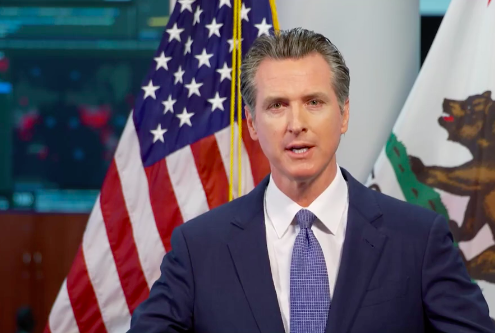 https://charityoneinsurance.com/wp-content/uploads/2020/10/newsome.png
333
547
Claudine Ford
https://charityoneinsurance.com/wp-content/uploads/2023/04/logo-2.png
Claudine Ford2020-10-23 23:21:092020-10-23 23:21:09New Laws Affecting California Employers and COVID-19 Reporting
https://charityoneinsurance.com/wp-content/uploads/2020/10/newsome.png
333
547
Claudine Ford
https://charityoneinsurance.com/wp-content/uploads/2023/04/logo-2.png
Claudine Ford2020-10-23 23:21:092020-10-23 23:21:09New Laws Affecting California Employers and COVID-19 Reporting https://charityoneinsurance.com/wp-content/uploads/2020/04/heart.jpg
3403
5407
Claudine Ford
https://charityoneinsurance.com/wp-content/uploads/2023/04/logo-2.png
Claudine Ford2020-04-16 19:15:552020-04-16 19:15:55Using GuideStar As A Tool for Nonprofit Organizations
https://charityoneinsurance.com/wp-content/uploads/2020/04/heart.jpg
3403
5407
Claudine Ford
https://charityoneinsurance.com/wp-content/uploads/2023/04/logo-2.png
Claudine Ford2020-04-16 19:15:552020-04-16 19:15:55Using GuideStar As A Tool for Nonprofit Organizations